


This article originally appeared on Rainbow’s blog here.
New biochar in old vineyards
Soler keeps its charcoal factories in Champagne and near Bordeaux. Very suspicious… Can we be certain there isn’t some bon vivant ulterior motive? No, but safer to assume it is a happy coincidence. The company follows the forests, and France happens to keep its best forests in the same places it keeps some of its best wine (fighting words, I know.) However, I told them that if they open a site in Burgundy or the Rhône next, I’ll consider it a matter beyond debate.
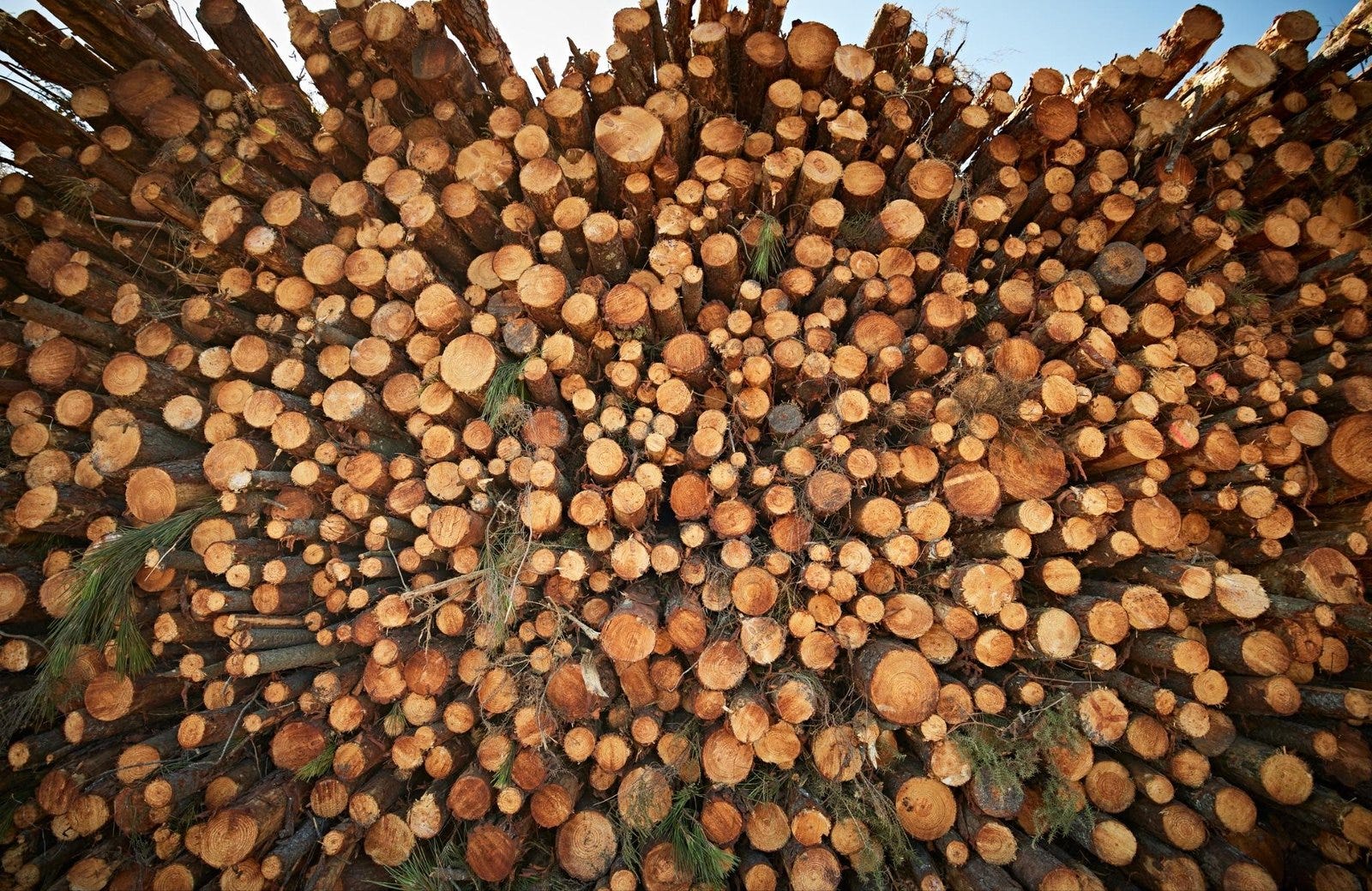
The wood that becomes their charcoal is mostly the wood the foresters had to cut anyway. A young oak destined for wine-barrels needs shelter while it grows, so foresters raise beech trees around it. Twenty years later, those beeches have to come out, so the oak has room to throw up a long straight trunk.
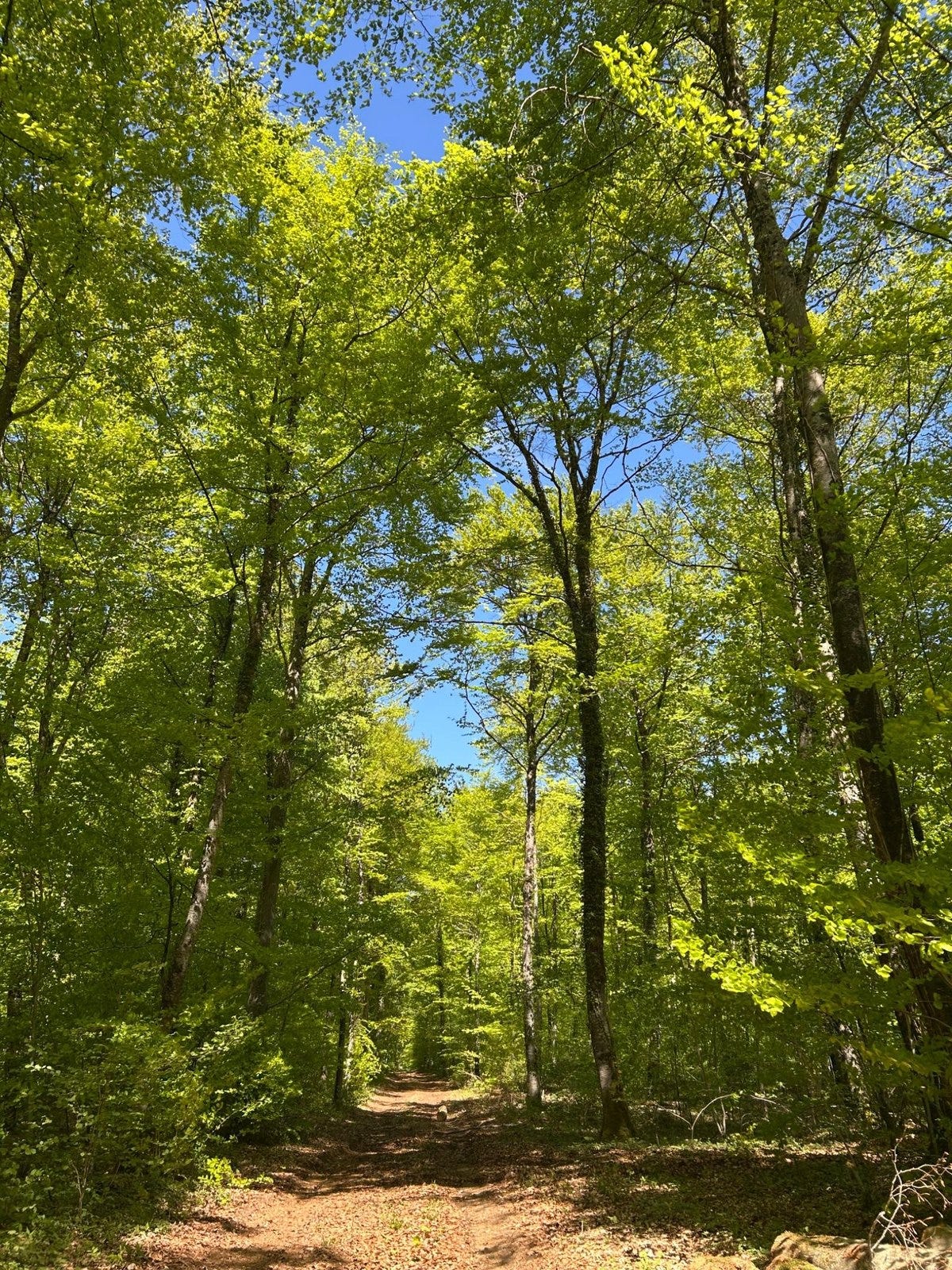
Soler takes the beech and the wood waste of the industry that has been shaping this landscape for centuries, and turns a portion of it into biochar. Then, in the tidiest loop I have come across in a while, some of that biochar goes into the vineyards nearby.
Getting the biochar into the ground is more delicate than it sounds. My first questions were all about the famous wine protection and labeling system in France, the Appellation d’origine contrôlée (AOC), which has always struck me as being just as strict with French wine as the Académie française is with the French language. It’s the reason why you can’t legally call sparkling wine “champagne” unless it is from that region in France, and there are often strict rules around how protected products are made. Thankfully, there are no appellation rules against a soil amendment like biochar, since it is simply an organic product, but vines grow in narrow rows that never get plowed, only scraped at the surface, so the char takes its time working down to where the roots want it.
“You know, champagna is not champagna unless it comes from the province of Champagne. I learned that in Bartending School.”
— Christopher Walken, “The Continental” from me watching Saturday Night Live Best of DVDs as a comedy-obsessed adolescent
However, even if French winemaking tends to look backwards in time rather than forwards, that will have to change with the climate—this summer’s European heat wave has made that clear. To that end, Tom Harcourt, who runs Soler’s biochar operations day to day, has learned to read each vineyard for its suitability to biochar. In Champagne, the trouble is dense clay that traps water uselessly between its particles, and biochar helps free it up. In the drier southwest, around Bordeaux, the job is the reverse, building a reserve of water the vines can draw on.
The easiest moment for any of it is when a vineyard is being replanted at the end of the old vines’ life, which is roughly when Tom pounces. What surprised him, as well as one of the owners, Anne-Mette Soler-My, is how curious the growers turned out to be. These are conservative people who have also lately been stripped of the chemical products they leaned on for decades, and are therefore open to a stable amendment they can apply once and mostly forget.1
How a Warming Climate Is Changing Wine—with Paul Wagner, wine educator and lecturer

Wine educator Paul Wagner on what a warming climate is doing to wine, region by region.
French biochar beyond winemaking
It would be easy to write the whole company as a wine story, and Tom gently stops me from doing it. “You shouldn’t overegg how much biochar we use in vineyards,” he said. If his name didn’t give it away, his diction probably reveals his British heritage to you. But if the romance is in the vines, the volume is somewhere much less photogenic.
Their two main markets are urban tree planting, where biochar goes into the pits dug for trees which line French streets, and construction, where the biochar swaps out a much dirtier clinker in cement.
There is also, disappointingly, not a single bottle of wine carrying a little “made with biochar” note on the label, as far as any of us could discern. The family cheerfully agreed that someone really ought to fix this. If you are reading this and this could be you, please go do it.
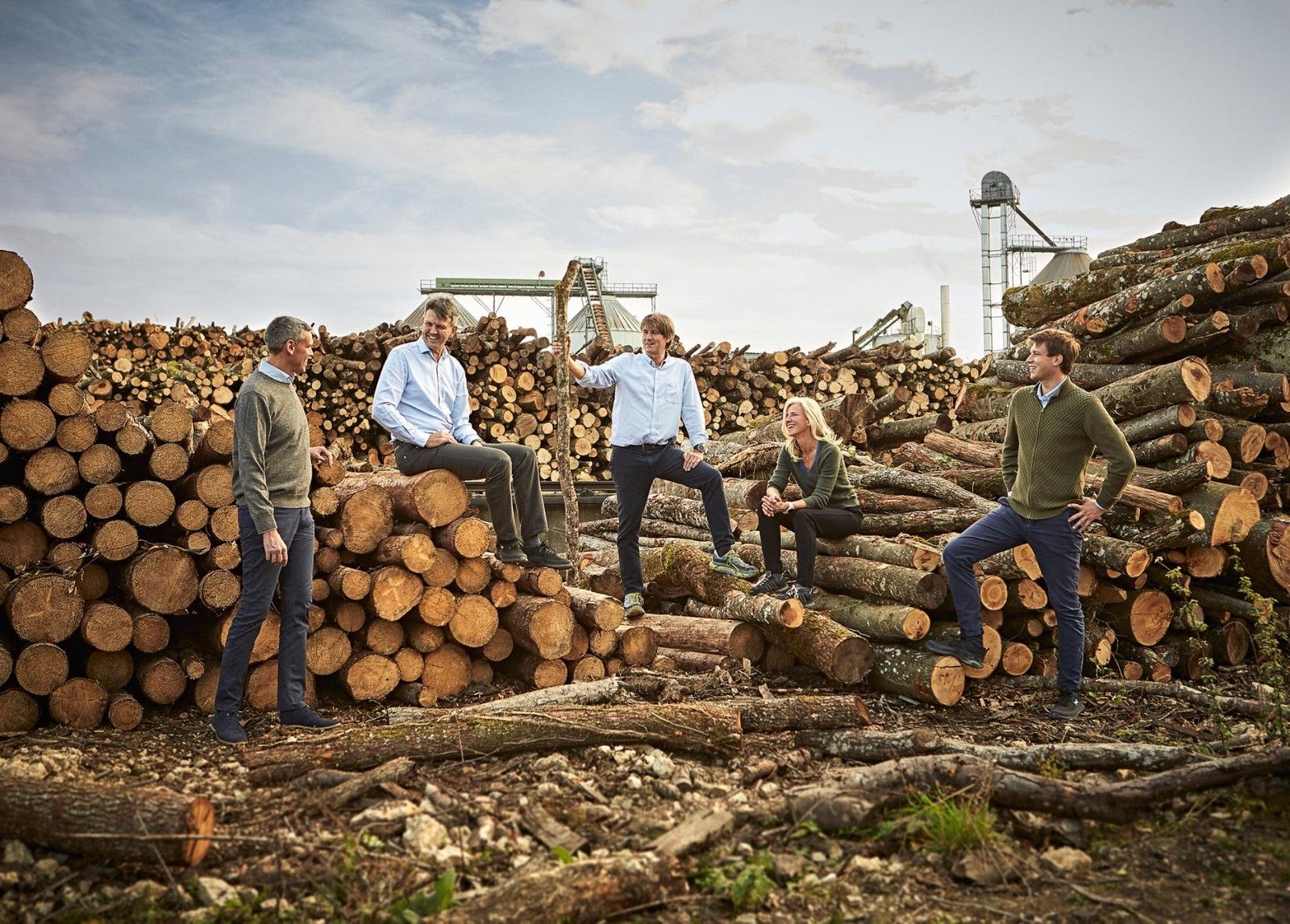
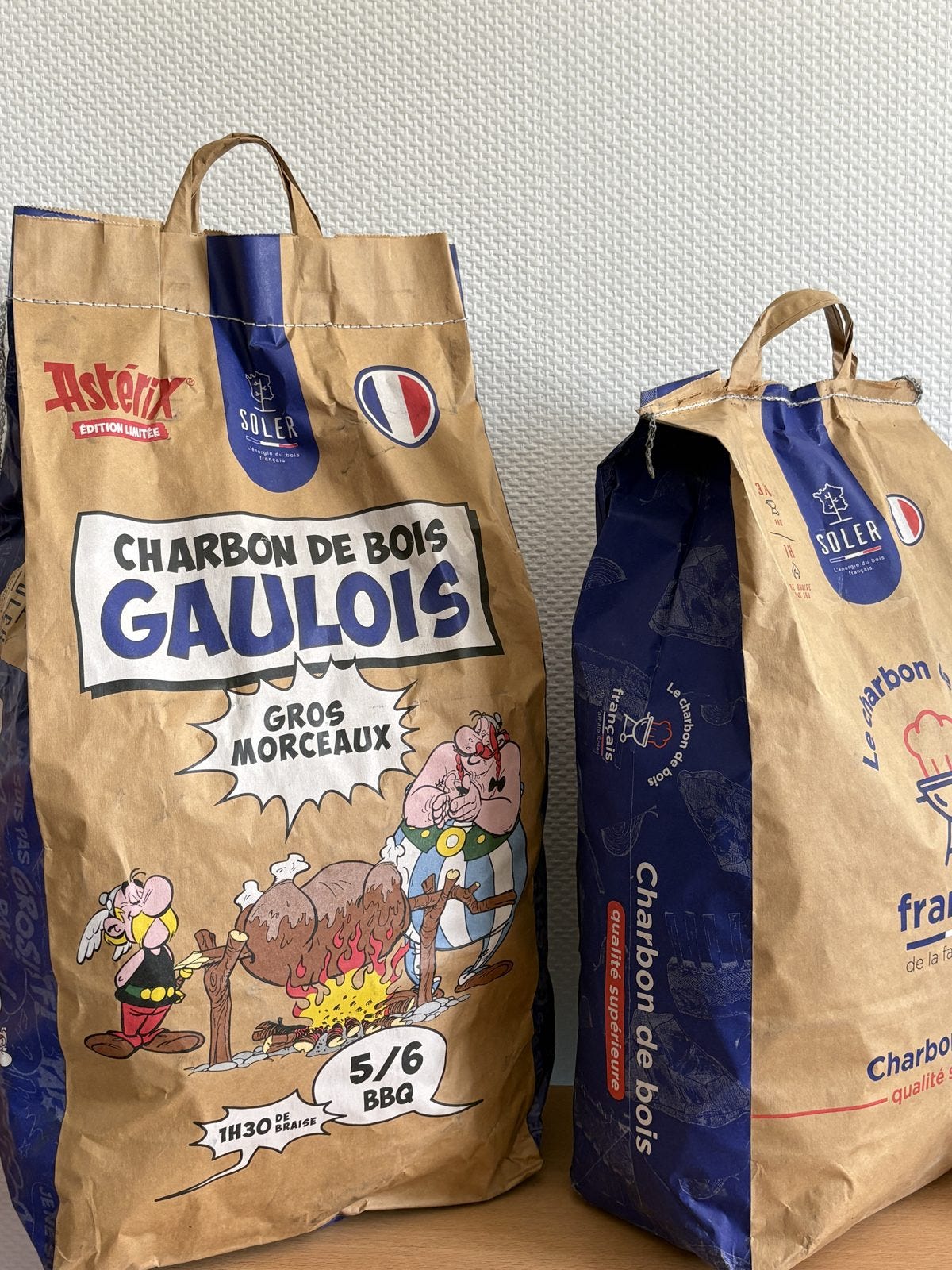
What makes Soler genuinely unusual is that it is a family business three decades deep. It may in fact be one of the few truly multi-generational carbon dioxide removal companies I have spoken with. Three brothers started it in 1993. Anne-Mette, who is Danish, married Pierre the CEO, and she runs Soler’s marketing. Their son Emil handles the newer, non-barbecue markets. Tom, an Englishman who married into a local biodynamic wine family, runs the biochar.
The family’s environmental streak runs back further than the climate conversation does. Emil’s grandfather made charcoal the traditional way and imported it from abroad, until the family saw the deforestation and labor conditions behind the cheap product and decided, in Emil’s words, “we cannot do this.”
They built an R&D operation to make charcoal transparently at home, worked out how to turn the pyrolysis gases that would otherwise vent to the sky into green electricity, and cut their emissions by something like ninety-nine percent(!) against the old way. Everyone told them they were crazy to make charcoal in France, where it would surely be too expensive. Carbon dioxide removal, when it arrived, was the logical next step.
I always love stories of biomass experts who expand their current operations to include biochar. It gives me such faith in their operational expertise.
The superpower of being very French
The most quietly interesting thing about Soler is how French it has decided to be. When we spoke, every one of its carbon credit buyers was French, and Tom has turned that into a ritual. The buyer takes the train from Paris, two hours east to Champagne or southwest toward Bordeaux. Tom collects them at the station and drives them out to a vineyard where the biochar is already in the ground, then on to the factory.
Part of the value is simply that seeing and touching the thing makes the abstraction real. The deeper pitch is that a French company buying French carbon dioxide removal is doing its climate work at home, inside the same legal and social framework it already answers to. Tom called it the opposite of exporting emissions, a sort of carbon dioxide removal that stays put.
There is real commercial logic in draping yourself in the tricolor and letting La Marseillaise play. A buyer who wants to be certain of what they funded can get on a train and stand in the vineyard which hosts Soler’s biochar by lunchtime.
The headwinds of insetting in the Global North
None of this happens in a friendly climate, in either sense of the word. The metallurgical-coal replacement business, which ought to be an easy win, is slow, because Europe gives industry little reason to decarbonize and because cheap imports keep undercutting it. The deforestation regulation the family had been counting on has been delayed twice and looks, in Tom’s phrase, like it is on life support with several people reaching for the plug.
In my estimation, this is not likely to improve with the war in Iran, the energy politics of Europe, and the ascendancy of the National Rally in France. I don’t expect the American midterms to change that. Anne-Mette talks about having been “surfing a nice green wave” that has since receded, and says she hopes it comes back.
The economics are stubborn too. Biomass in Europe is not free waste the way it often is in the Global South; nearly everything gets used, so it is genuinely precious, and that alone makes a European biochar credit cost more than one from a place where the feedstock costs nothing.
Soler cannot break even on carbon credits alone. The credits subsidize the biochar, and the biochar then has to earn its keep by being useful to somebody, which is why Tom cares so much that farmers and cities actually want the material for its own sake.
That is biochar’s quiet advantage: a grower will buy it because it works on their soil, whether or not they give a thought to the climate, which makes it one of the few removal pathways that might survive a change of government—one more thing for which France is known.
A concluding love letter to wood
When I interview people, I like to ask what I didn’t know to ask. Anne-Mette answered with something close to a love letter to wood. You can pull an astonishing number of things out of a single piece of it, she said, and they are nowhere near done finding them. Tom reached for a word he could only locate in French: patrimoine.
Soler’s factories are new, but charcoal-making is ancient, and the family sees itself inside a long inheritance of turning the forest’s leftovers into useful things while the noble timber goes to barrels and beams. Foresters cut trees, which upsets people who do not understand that cutting is part of keeping a forest healthy, and Soler takes what is left behind.
It is a modest way to describe a company that turns forest scraps into clean electricity and buried carbon, and quietly amends the soil of some of the most storied vineyards on Earth. It is also, I think, exactly the right one. Soler takes the rest, and they make it matter.
Photos courtesy of Soler and the Rainbow team.
Subscribe to the Reversing Climate Change Substack
Become a paid subscriber for bonus content and ad-free episodes
How a large winemaker thinks about sustainability—with Steve Lohr of J. Lohr Vineyards & Wines

Steve Lohr of J. Lohr Vineyards on how a large winemaker actually thinks about sustainability.
One of the keenest is a biodynamic winemaker, who farms the most biodiverse parcel Tom has ever seen, orchids coming up between the rows. But this likely isn’t too surprising, if you know about biodynamic agriculture and the esoteric (and maybe even properly called occult) beliefs of its legendary founder, Rudolf Steiner.