

This article originally appeared on Rainbow’s blog.
The advantage of operational chops
Uzoma Ayogu and Ikenna Nzewi fall in a special and rare category of CDR founders: longtime operators whose on-the-ground experience has fundamentally shaped their approach to carbon removal.
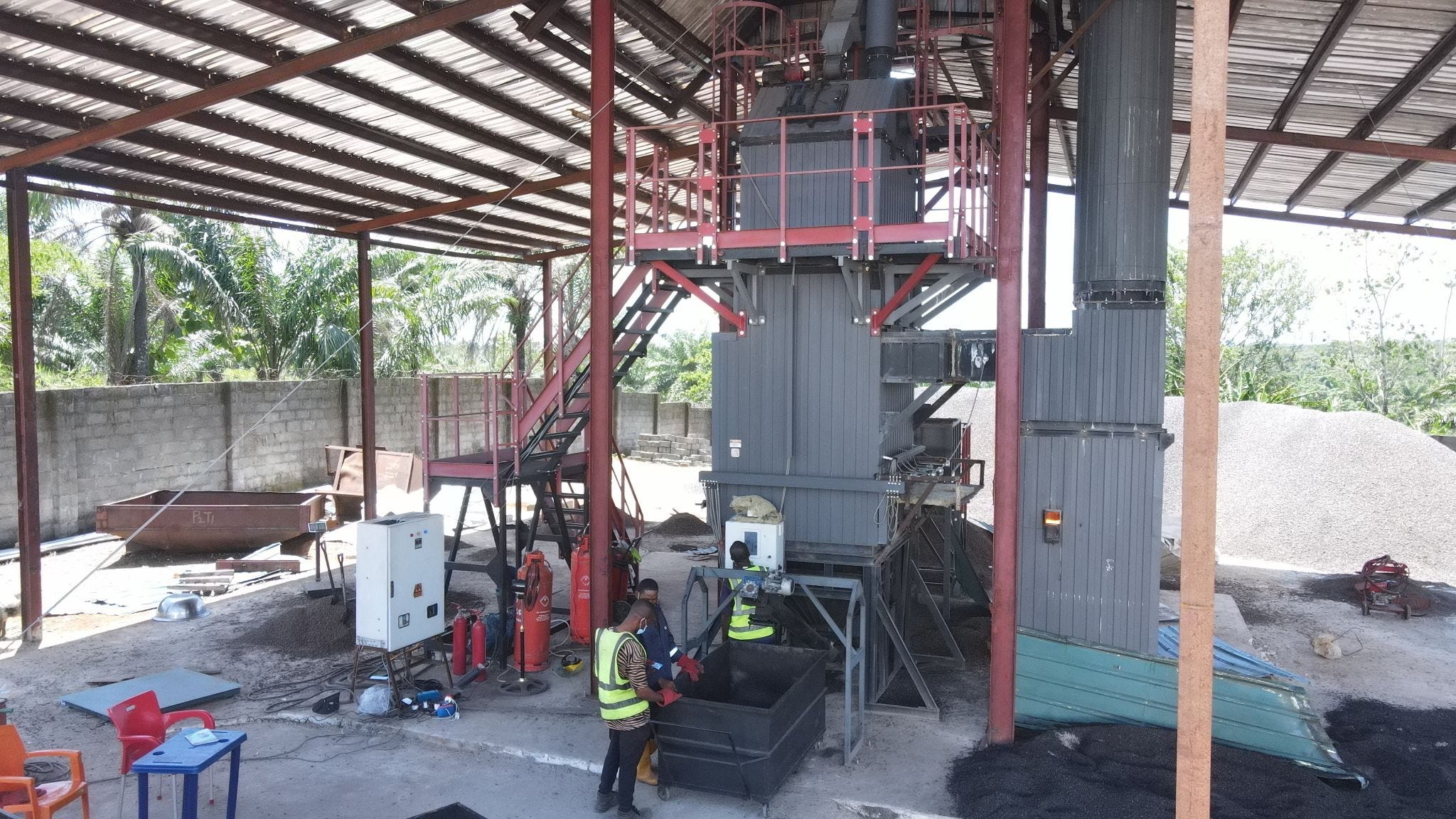
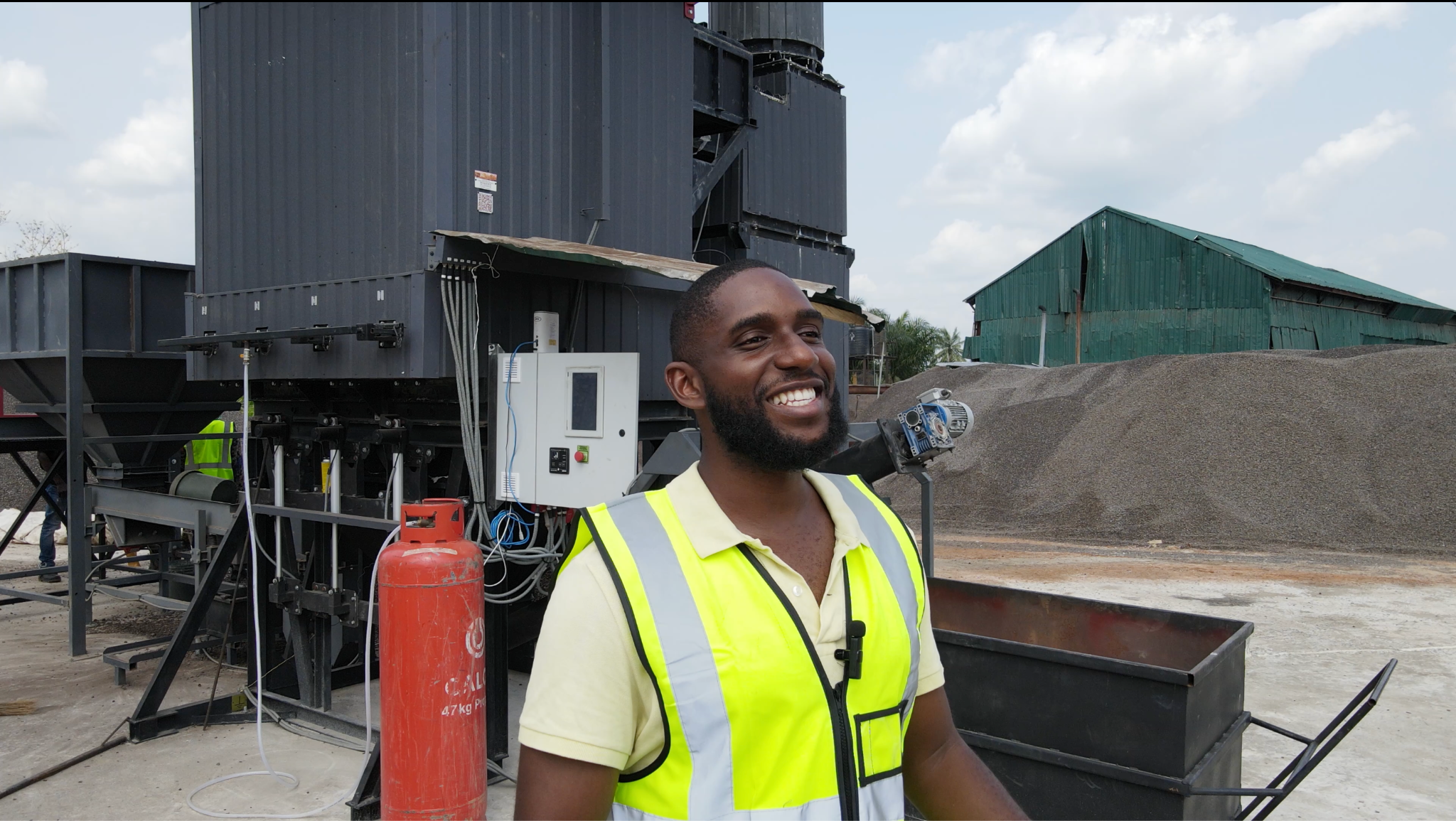
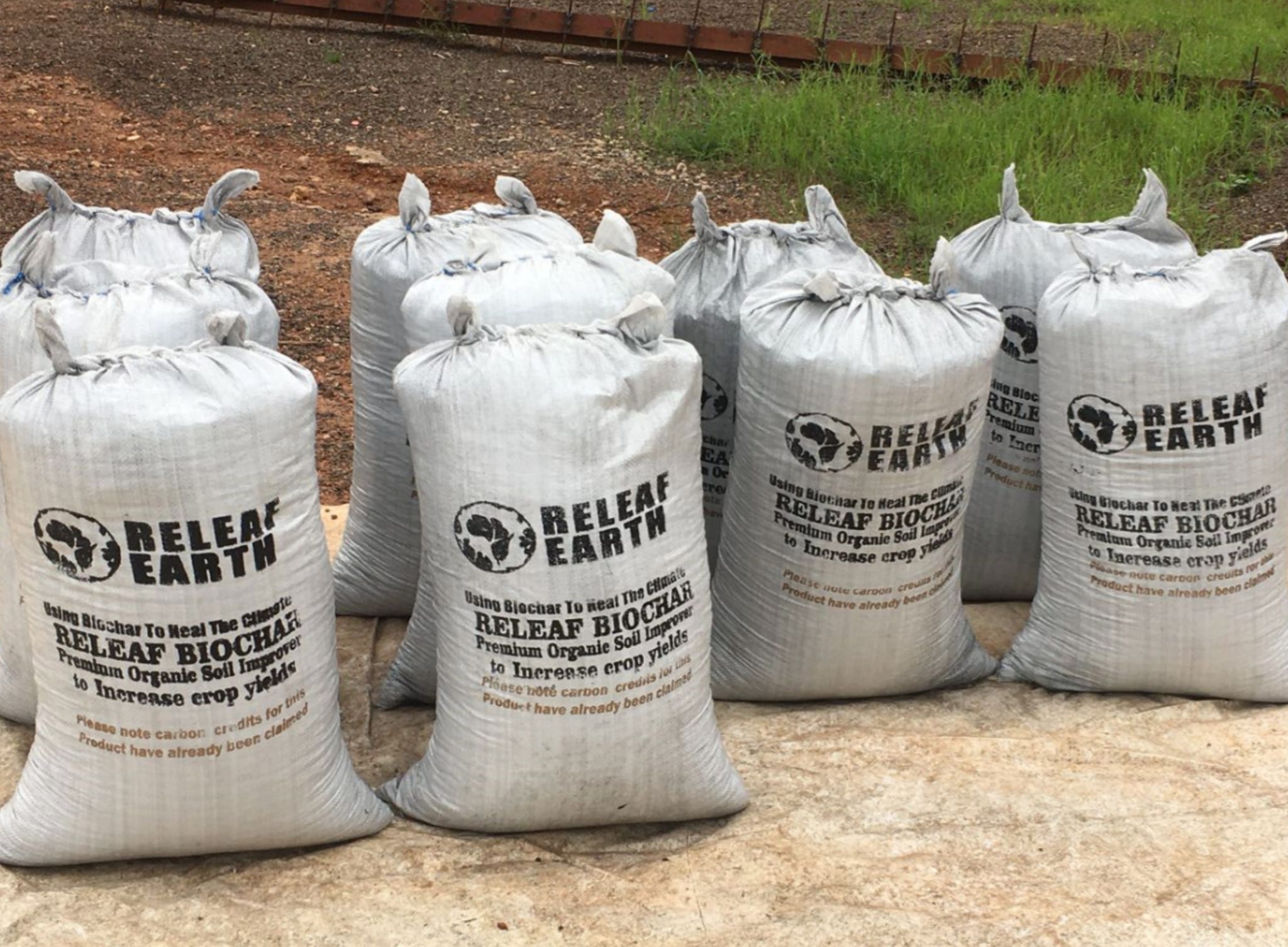
Their company, Releaf, produces biochar from agricultural waste for carbon removal. But it took seven years of building and operating rural industrial facilities in Nigeria to get there. They’ve learned what it takes to run large-scale operations in challenging environments. They understand community relations, talent development, supply chain logistics, regulatory navigation—all the unglamorous operational details that determine whether an industrial facility actually works.
They’re not trying to prove that pyrolysis works or that biochar is real. They know it works because they’re already doing it. The question is: how do you build a scalable biomass business around it?
The road to Nigerian biochar
Ikenna and Uzoma met in university. Ikenna was studying computer science at Yale, Uzoma mechanical engineering at Duke. Turns out they’d both written their college admission essays about returning to their family’s roots in Nigeria to build something impactful. They just had to figure out how.
They started Releaf after graduation. After traveling across twenty states in Nigeria and studying different agricultural value chains, they developed patented nut-cracking technology that processed palm nuts far more effectively and cheaply than what farmers were using at the time.
But as they processed palm nuts at scale, they were left with massive piles of palm shell waste. For several years it was a problem to be disposed of rather than a business opportunity.
In 2020, Ikenna came across biochar, a process where charcoal is produced from biomass through pyrolysis. The economics worked when carbon removal credits entered the picture. “You could monetize the production of biochar in the short term with carbon credits,” said Ikenna. “Then you could create a market for biochar over the medium term to achieve more business sustainability.”
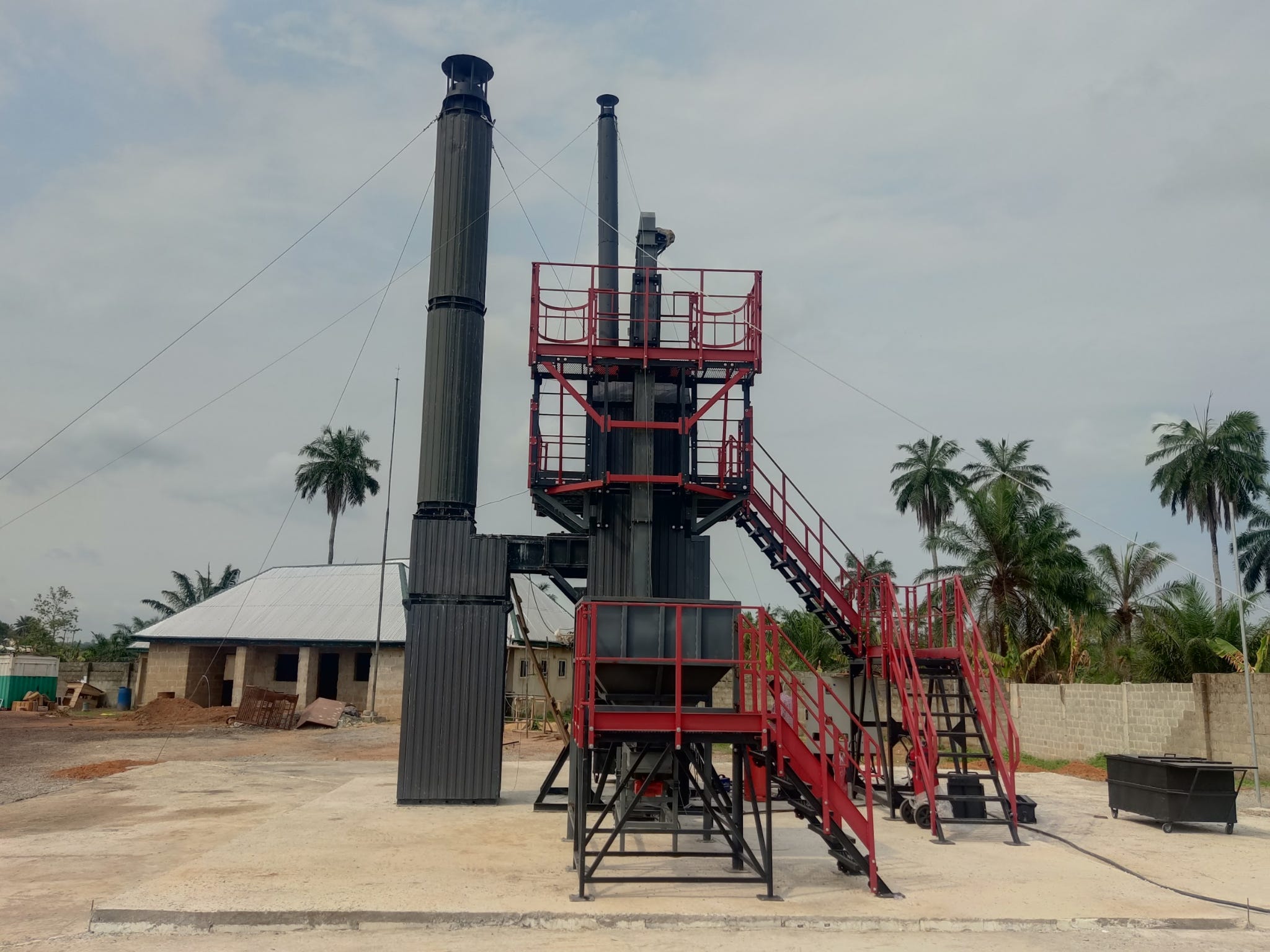
They set up Nigeria’s first industrial biochar facility in 2025. They soon secured a major CDR credit offtake with Milkywire’s Climate Transformation Fund. Getting a Milkywire deal is traditionally seen as the first major step of a carbon removal company with a lot of promise. This was a braggable milestone for Releaf.
Their traction has been impressive. And it’s undoubtedly due to their experience operationalizing novel tech in a legacy agricultural industry.
Finding a practical partner
Releaf’s next step was to find a credible and effective registry partner to validate their claims and ensure their credits were trustworthy. They needed third party verification to prove their integrity and quality in order to build a world-leading biochar brand.
“We’d spoken with a lot of people about one registry, and they were just overwhelmed,” Ikenna said. “They were taking too long.” Another registry was kicking off but seemed focused on marquee projects. “We felt they maybe wouldn’t have as much time for a smaller pilot project.”
Then Uzoma met Rainbow co-founder Grégoire Guirauden at Climate Week. “He was very energetic, very charismatic, very founder-friendly. He followed up. He was on it. They approached with speed, they were super transparent, and they were collaborative.”
The European connection mattered too. Ikenna grew up in the US, and both he and Uzoma worked for US companies. They have networks that enable engagement with US buyers easily.
But European buyers are a major part of the carbon removal market, and those networks were less developed. “Getting into programs like Milkywire, participating in CEEZER’s accelerator… those are ways we can broaden our network in Europe,” said Ikenna.
Rainbow, a French-based company with an international team, provided access they didn’t have through other channels.
But the practical collaboration sealed it.
Building from first principles
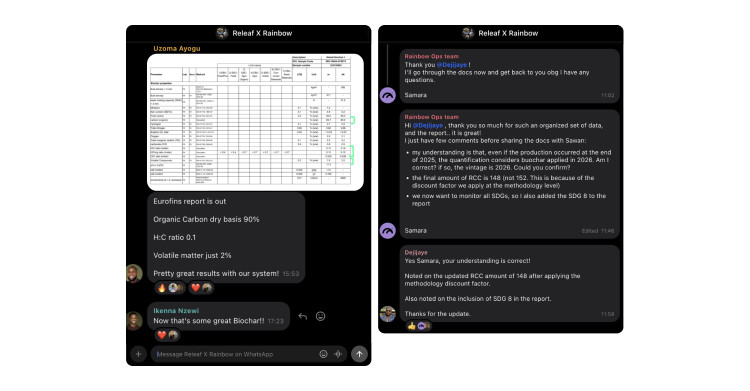
“One thing we really benefited from was having a registry we could set up WhatsApp groups with,” Uzoma said. “It makes a really big difference in the speed of communication. People aren’t writing back and forth in 300-word emails. It’s just like, ‘Hey, this is messed up.’ ‘Okay, can you explain this?’ ‘Can we jump on a call?’ Voice note. Screenshot.”
He pulled out his phone to show me. Multiple WhatsApp threads with Rainbow’s certification team. Real-time problem-solving. Quick clarifications. The kind of rapid iteration that’s impossible over formal email channels.
What impressed him most was Rainbow’s technical depth. “They’re all from technically minded backgrounds. As a mechanical engineer, I could have those conversations. But they would also say, ‘Here’s the process. Now you need to figure out how you can fit into this process from first principles.’”
First principles thinking. Not just “does this match our checklist?” but “can you prove from fundamental physical principles that this works?”
“They’d say, ‘You need to prove the flow rate of your methane. You need to prove that this many tonnes is going in from first principles. Prove that.’”
This wasn’t just about meeting requirements. It shaped how Releaf designed their monitoring systems.
“We had made an internal spreadsheet to show the parts of the monitoring report that are perfect and done, and the parts where things are still pending,” Uzoma recalled. “Rainbow was like, ‘Oh, you shouldn’t have to make that tool. Our product should help you do that.’ Then they showed me the next round of product updates.”
This happened before Rainbow had launched Arc, their new certification platform. It’s even simpler now for new project developers to onboard into Rainbow.
The collaboration went both ways. Uzoma talked to Rainbow’s product team frequently about features and feedback. Rainbow was open about what wasn’t working and willing to iterate.
“There was mutual interest in making sure each other was successful,” Uzoma said.
Smooth operators
What strikes me most about Uzoma and Ikenna’s approach is how grounded it is in operational reality. They’re not pitching a vision of what could be. They’re executing on what already works and figuring out how to scale it.
The diaspora story is compelling. They wrote about going back to Nigeria and actually did it. They’re now building infrastructure that could make Nigeria globally competitive in carbon removal. That matters for differentiation in a commodity market where biochar and enhanced weathering projects especially need memorable stories.
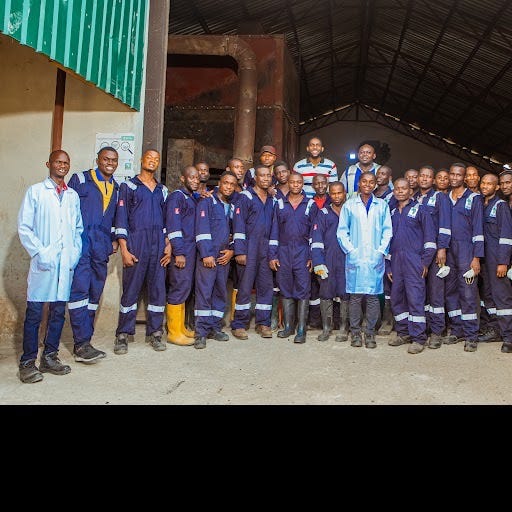
But what I find even more exciting is watching experienced biomass operators add carbon removal as a business line. These aren’t people learning industrial operations from scratch. They’ve already built and operated facilities. They know the challenges. They’ve developed relationships with communities and suppliers. They understand the regulatory environment.
When people like this move into carbon removal, it derisks everything. The first question of execution risk—can you build and run the machine?—is already largely solved. They’ve been cracking palm nuts on their own machinery for over five years, and making biochar for two.
Rainbow’s role in this story is crucial. They helped with another major question of execution risk—certification—by being fast, collaborative, and practical. WhatsApp groups instead of formal email chains. First principles thinking instead of rigid checklists. Product iteration based on user feedback. Flexibility on requirements like land titles while maintaining scientific rigor.
“We aim to remove carbon,” Ikenna said simply. That’s the north star. Everything else—which registry to work with, which business models to pursue, which partners to engage—flows from that.
If experienced industrial operators across Africa start adding carbon removal to their existing operations, it could transform the market. The infrastructure is already there. The waste biomass is already there. The community relationships are already there. All that’s needed is the pyrolyzer and someone to help navigate certification.
That’s what Ikenna and Uzoma are building. And based on what I’ve seen over the past two years, if anyone can make biochar and carbon removal happen at scale in Nigeria, it’s them.
Subscribe to the Reversing Climate Change Substack
Become a paid subscriber for bonus content and ad-free episodes