

Reversing Climate Change is a podcast and publication about carbon dioxide removal, run since 2017 and more than four hundred episodes deep. It is also, unavoidably, about history, philosophy, literature, and the strange business of trying to live well in a damaged world, because I have never been able to keep those out of it and eventually stopped trying. Interviews with the people actually building this industry, essays that go further than the episode could, and the occasional monologue when the thing I’m trying to work out needs no one else in the room.
If you only have one way of understanding something, it’s fragile. Every paradigm renders some things visible and obscures others, and that’s as true of a methodology as it is of a poem. Flipping between lenses is where I like to work.
In 2012 and 2013 I took political philosophy PhD coursework at Arizona, then the best-ranked political philosophy program in the English-speaking world, and worked at its Center for the Philosophy of Freedom. I was there to find out whether I wanted that life, not because I’d committed to it, and I decided not to continue. I went into filmmaking instead and focused on screenwriting and producing, because what I wanted was to keep playing with ideas and putting them into reality rather than defend one at an extremely technical level for six years.
I also trust emotion more than this field generally does. Partly that’s a reaction to the purely cerebral route, which has its own characteristic errors and is worse at noticing them. Partly it’s that I neglected that side of myself for a long time and would rather not do it again.
Paid subscriptions
The show is free and will likely stay free for the foreseeable future. Nothing goes behind a paywall, and the archive and the transcripts stay open.
There are two ways to pay for it, depending on where you listen. A paid subscription here gets you the episodes without ads on this website and in the Substack app. A paid subscription on Spotify does the same thing inside Spotify. Either way, it’s mostly what lets the show stay less commercial, and the Support page has the rest.
There is so much content out there and so many people asking for your support. I’m honored you’re choosing to spend the time with me.
Who I am
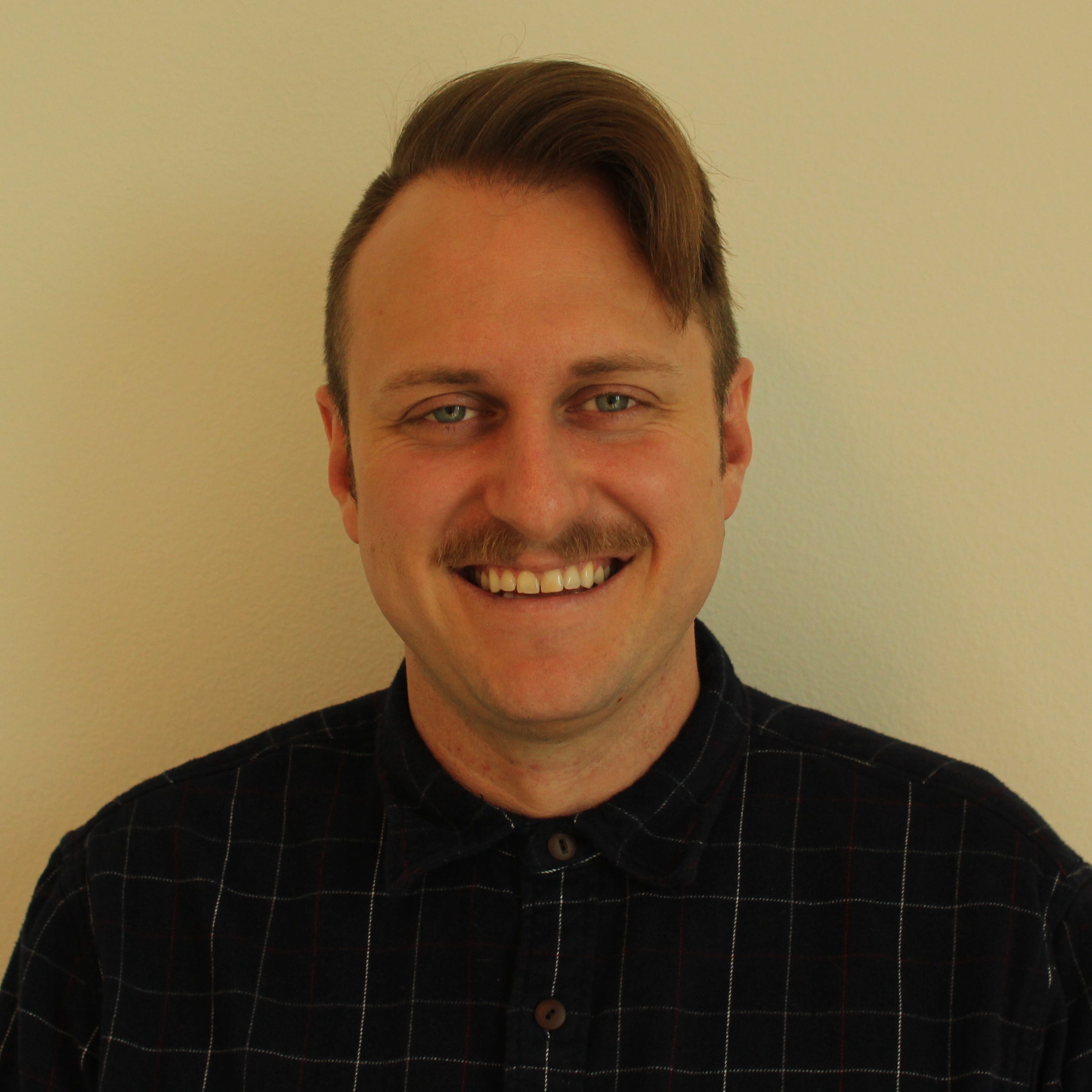
I’m Ross Kenyon. I co-founded Nori in 2017, the first carbon dioxide removal marketplace and registry, or the second depending how you count, and spent seven years there learning how to explain, position and sell something most people didn’t know existed. I haven’t stopped being challenged by the questions this field poses, and it touches everything, which is why it never runs out.
I work with climate tech and CDR founders at the intersection of storytelling and commercial strategy. When the story isn’t working, there’s usually something in the strategy underneath making it hard to tell. That’s the part of this I’m best at and the part I most want more of.
These days I host this show, curate Climate Workers Anonymous, produce The Green Blueprint for Latitude Media, and run the writers room at Carbon Removal Memes.
I coach founders through accelerator programs, currently remove and Washington Maritime Blue, where I’m also an Executive in Residence, and previously AirMiners Launchpad. I live in Seattle.
The other two
Climate Workers Anonymous is PostSecret for the climate industry. People who work in climate send me anonymous confessions and I read them aloud. It exists because everyone in this field projects more confidence than they feel and there was nowhere to put the rest of it.
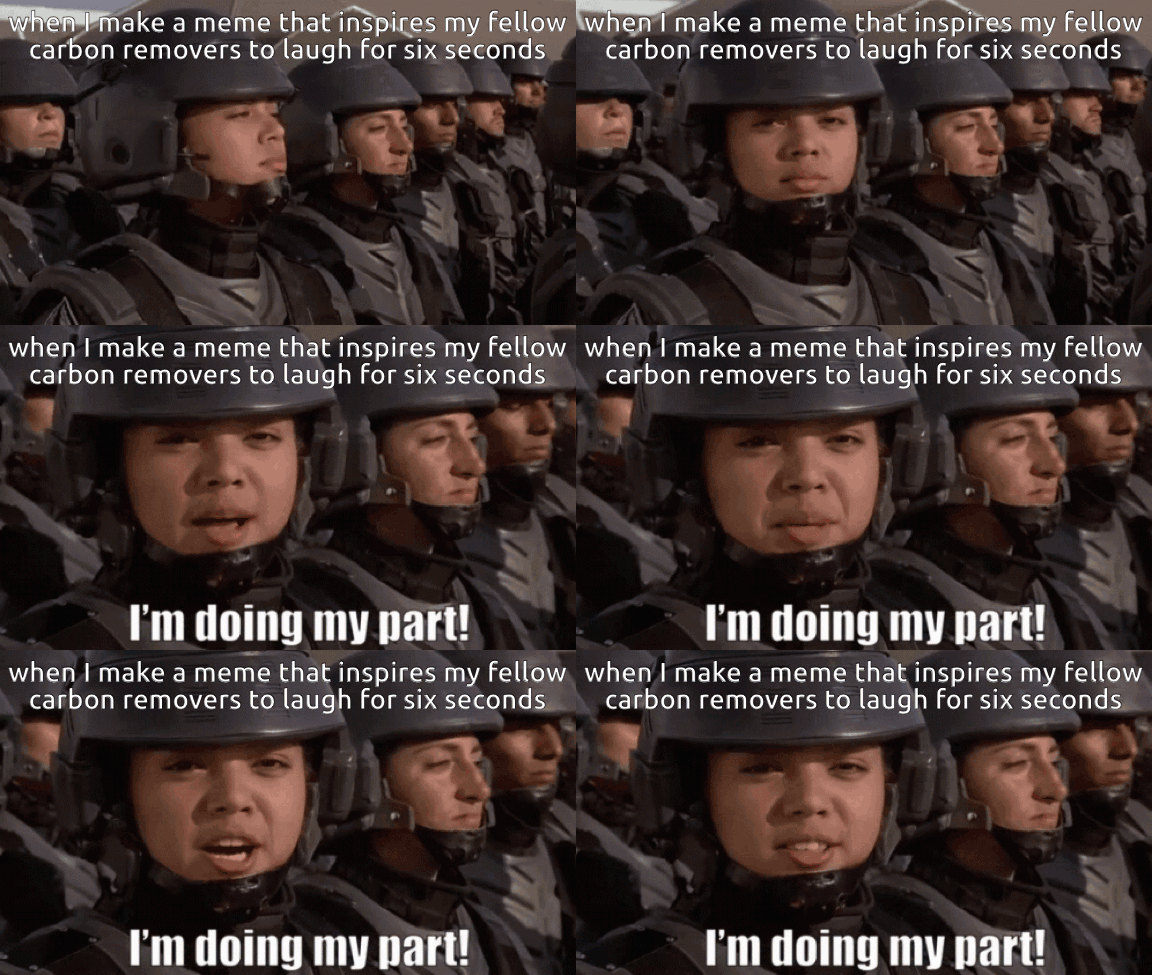
Carbon Removal Memes is exactly what it says. We work in a serious industry that needs to laugh, and carbon removal is objectively funny. Everything there is licensed CC BY, so take them and use them.
Both exist because the main show couldn’t hold them.
What I’m available for
Advising and board work with climate tech and carbon dioxide removal companies. Founder coaching, through an accelerator or directly. Speaking at events and programs, and moderating panels.
Get in touch
carbon.removal.strategies@gmail.com. I answer email.
If you want to talk carbon removal, accelerator programs, or how we figure gestures vaguely at everything this out, that’s the address.
You can also find me on LinkedIn and on Substack, where following me personally gets you all three publications rather than just this one.
