Episode 397 of the Reversing Climate Change podcast. You can listen to it on Apple Podcasts, Spotify, YouTube, wherever you listen to your shows, as well as the full episode
Martin Freimüller is the co-founder and CEO of Octavia Carbon, a direct air capture company in Kenya. He's been listening to this show since 2020 and credits it, generously, with pulling him into carbon removal in the first place.
He's also someone who thought I'd taken a wrong turn lately with grim prognostications, and he had an idea he wanted to talk through.
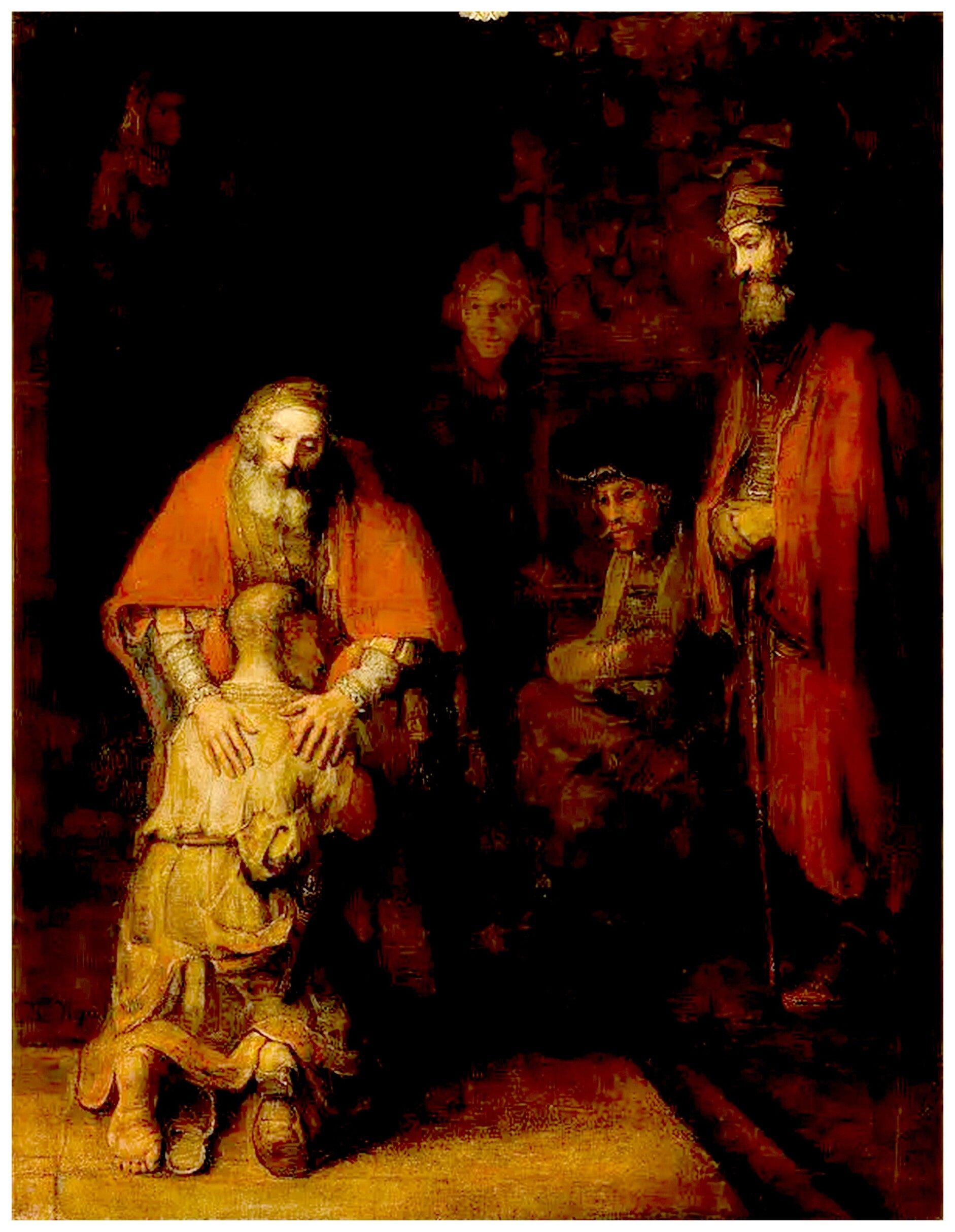
His pitch: carbon dioxide removal is the prodigal son, and it's time to come home. We've spent the last few years building CDR as a separate category, defining ourselves against the "legacy" voluntary carbon market, trashing clean cooking credits and REDD+ and Verra and basically everyone who came before us.
Martin thinks that was a mistake, and he includes himself in the indictment. He was on stage a year ago telling investors about DAC's explosive growth. Now he's calling clean cooking founders and asking who their buyers are.
He shared some numbers that caught my attention: there are roughly 200 corporates that have ever bought carbon removal. There are about 35,000 buying carbon credits more broadly, and about 3 million individuals. Article 6.2 bilateral deals and 6.4-based transactions are quietly channeling tens of millions of tons of demand per year. The broader VCM is growing. CDR is not, at least not in real revenue recognized terms. Martin's argument is that instead of fighting over the tiny pot of dedicated CDR buyers, we should be figuring out how to sell into the market that actually exists and is expanding.
I found this conversation genuinely moving. Martin is doing something rare in this industry: admitting in public that he was wrong about how he positioned his company and his sector, and sharing an idea that benefits everyone, not just Octavia. That's leadership, and I told him so.
If you're a carbon removal founder who's tired of hearing that bad startups blame their customers, this one's for you.
Resources
391: How Carbon Removal Loses: The End of "Pre-Compliance"
More from the show
Ad-free episodes and other benefits come with a paid subscription.
Carbon Removal Newsroom, the news show that ran alongside this one, is over. Its episodes are still up, on the feed Climate Workers Anonymous now uses.
Carbon Removal Memes is still goofing around.
The books that come up on this show are collected on my Bookshop shelf.
🎧 Apple Podcasts · Spotify · YouTube
Paid subscribers get this episode ad-free. The ads in the free feed are inserted by Spotify when you press play. They are not in the file I make.
Full Transcript
Ross Kenyon: Martin, you’re back. It’s been some amount of time and you’re here to tell me about why I am wrong and foolish about everything that I believe. Why are you doing this to me?
Martin Freimüller: Because you’re wrong, foolish, and I just have this intrinsic need to call that out. Sorry.
Ross Kenyon: No, it’s, I really appreciate engaging with you. Thanks for listening and thanks for having me on those ideas. And I’m going to put words in your mouth and you can correct me if I’m wrong, but you’ve noticed a trend of me maybe not being nearly as optimistic as sometimes I am in the past year or so, and you think I’m overlooking some significant opportunities and more than just me. You think many of our industry peers are doing something similar and you’ve noticed a new opportunity that’s actually an old opportunity that you’re going to be looking into much more closely. How accurate is that?
Martin Freimüller: It’s accurate. And I do think, again, I don’t want to downplay the fact that it isn’t easy times for carbon removal. It’s definitely a lot harder than it used to be in years past, and it’s recently gotten a lot harder still. And I think, again, it’s worth challenging some assumptions that we built this industry around. And the one that I’m specifically started thinking about is how carbon removal integrates with the wider VCM. Clean cooking, REDD+, and so on. I think we’ve all had this intrinsic aversion about associating with it. And I think in some ways the world has moved on a couple of years and I think in some ways the recent bull run you could say in CDR is over. And so yeah, I think it’s time to reinvestigate a bit what’s out there as well.
Ross Kenyon: I think they’re nice to have around because they allow us to distinguish ourselves by their failures. And I think CDR is so young that we don’t have in the same way, like the Catholic Church has been around a long time. So you can point to the Renaissance Popes and be like, weren’t they corrupt? And you’re like, yeah. But the newer Protestant sects, usually when they’ve been around for a little bit of time too, some not so nice things tend to happen to them as well. They just haven’t had millennia to collect all the scandals. But CDR has some of those same tendencies. And one thing I’ve said on shows recently is that my previous company, Nori, was a carbon removal registry and marketplace, and we looked at the legacy players and even called them the legacy players. It’s a pejorative framing that says that they’re old and they’re not that good, or like the next thing that’s much better, more tech forward. And the longer I did this work, the more sympathy I had for basically all of them where I’m like, not only are we no ethically better than these people, we also perform worse in some regards. And the product that we have created, you can understand the failures of those other players and be like, yeah, it’s a systemic structural thing. It’s not just you have to want it more, be more innovative. Some of these things are just, you all end up in the same place because you’re all trying to solve the same problem and there’s constraints and you work with them. And I had more mercy for them the longer I worked, where I used to be kind of a jerk about it. And I think that’s true of carbon removal in general. It sounds like you’ve independently come to that conclusion and are saying, yeah, why are we spending all this time in this really small space when there’s a much bigger VCM to play in that we’ve been ignoring? I think I’m kind of channeling you a little bit.
Martin Freimüller: Absolutely. No, and I get it, right? I’m CEO of a DAC company and I’m super proud of that. I’m super proud that we produce some of the world’s best carbon credits with meaningful benefits too. And we do something fairly unique doing that in Kenya. And again, I will happily debate some biochar person why a thousand years permanence matters. I’m that kind of person. But I think it’s more recently that I think I got to reassess that. Again, we’re not like a baby anymore. We are a toddler. And you can discipline a toddler maybe, but I think in a sense it’s worth saying, okay, well we are five years old. And the question to ask is how much of the carbon removal that has been contracted is going to get delivered? Is it going to be a hundred percent? Is it going to be 50%? Is it going to be 10%? And if it is going to be, say, less than 50%, where is our guarding article? In some ways, delivering high quality credits is hard. And I think that’s something that well-intentioned people in the quote unquote legacy VCM have realized for a long time. And I think we are in some ways just kind of realizing this, where again, you have to move physical things by and large to issue carbon credits and yeah, that is hard. Especially it’s hard in a world that’s gotten used to scaling curves that maybe are more linked to things that are non-physical. And so I think that’s in part what this comes down to. And I think part of why I recently questioned my own assumptions, and again, I would say it’s my own assumptions, but here’s the thing. I think carbon removal people like to complain a lot that we don’t have enough buyers, basically. And I told this to you that in some ways it’s as if it’s the buyer’s fault that they don’t want our products. And I think that’s a cliche saying about bad startups. Bad startups blame their customers. And I think it’s worth mentioning that there’s definitely some pure-play carbon removal buyers, maybe mixing low-durability carbon removal, but the vast bulk of people who buy carbon removal today happily buy clean cooking credits and other credits alongside that, and don’t think of that as a contradiction. And so I think it’s something that I realized in some ways that the world might not go in an instant from paying $25 per ton of carbon credits to $250 per ton of carbon credits. And I think that’s something that we have to maybe think a bit more about, like what that transition is going to look like and maybe not treating the other side as an enemy, which again is maybe not the best way of starting a dialogue. But that seems to be more or less what we have done in the past couple years, building this industry in parallel. But yeah, that’s some of the early thinking that I have on this. Keen to go over a bit.
Ross Kenyon: Yeah. So many good insights in there. Thinking about how personality and childhood development works, where it’s like toddlers and teenagers do a thing where they really start saying no. I’m independent of my parents. I’m going to make some of my own decisions. They’ll even say things like, I don’t want the cheese from you, I want it from daddy. It’s the same cheese. Can you just eat the cheese? When you’re very young, you don’t even necessarily understand yourself as different from your mother. If you have a mother, you consider yourself almost a single unit and then learning that that is not actually the truth of how reality works is a big part of development. And CDR is just at this point too, where we’ve come about saying we’re different from the VCM, and then maybe we’re at the point now where we’re in adolescence. Maybe in this metaphor if we’re going to abuse it a little bit further, we’ll be deeper into your twenties or thirties where you realize that your parents are frail people that have their own difficulties, who didn’t have all the answers ever, and it’s time to forgive them for their mistakes and make your peace with them before they die.
Martin Freimüller: Wow, this has gotten very deep, very quickly, Ross.
Ross Kenyon: This is the show that you love, man.
Martin Freimüller: I do. I do. Yes, exactly.
Ross Kenyon: So are we at that stage? Are we trying to say like, hey, we’ve been really mean to Verra and Gold Standard and ACR and some of these players, and maybe the time is to come to learn from them, work with them, and try to figure out how CDR can fit into players that have a lot more experience than we do?
Martin Freimüller: Yeah, it’s a great question. And it’s also worth noting again, it’s not like there isn’t bad things out there. There’s a lot of shitty carbon credits and I think those rightly get criticized. But I think if you look at some of the more recent data, like BeZero and others published a lot around this, quality has actually gone up fairly quickly in recent years. And there is AA-rated clean cooking credits now. Much as there’s BB-rated biochar credits. The distinction between durable CDR and all other carbon credits isn’t inherently one of quality. Yes, it might be one of use case, and I think we should discuss what the use case is of different credits. And I think long term, very much the world should aim to have like-for-like offsetting for all fossil fuel emissions. But again, I think it’s optimistic to think that that will happen overnight. And again, I do think that there is definitely mistakes to learn from. And I think one of them definitely is that when money is plentiful, optimism abounds. And I think that has been the case in the traditional VCM before, prior to 2008, or more like the 2018 to 2021 timeframe. And in many ways that’s also the founding moment of carbon removal. We were founded as an industry more or less since 2021, 2022, when money was everywhere. And it was a great time to start a company and think you’ll be huge next year. But then the contrast between 2022 and 2024 and 2026, for those of us who’ve been building for that time, has been pretty stark. And you can argue which of those years is normal. Is the plentiful, post-pandemic money normal? Is the ultra-ambitious Biden climate policy normal? Or is this closer to normal? At least what normal has been for the past 15 years or so. And maybe this is just what it looks like to actually build a carbon business. And again, that is hard. And again, I think that’s also where lots of other projects have floundered. So I would say we’re, yeah, maybe just starting school. I don’t know how far I can stretch this metaphor of childhood. But I think it’s an interesting time to maybe stop and reflect a bit, how essentially we can come together because ultimately we care about the same things, of course. That’s the really key thing. And knowing some of the folks that work in that market, they’re good people. Again, I think there’s very few actual frauds out there. There’s a lot of well-intentioned people that are always optimistic, but guess what? We have them too. And I would go as far as saying I’m probably one of them too. And so yeah, that’s some of the reflections I have there. Whew.
Ross Kenyon: What does that mean for your business? Are you trying to look into being on other registries? Is there some other pathway that gives you access here? What’s the status of your operational business work with this regard?
Martin Freimüller: Yeah, and it’s a great question, and of course I want to keep this practical too. I do think that I am keen to explore new types of buyers and that’s the types of registries that didn’t as naturally come into carbon removal as others. There’s a lot of, I think if you look at the folks that channel a lot of carbon removal demand, they only do carbon removal because they really have conviction behind that. And that’s good. And I think we need those intermediaries and a lot of them are Octavia’s customers. But there is also a large field of VCM players that are much more broadly active. And I think all of them interested in carbon removal, but we haven’t necessarily made it easy for them to engage with us if all we do all day is kind of trashing what they have to sell. And I do think some of them are now our customers. Atmosphere, which is a German registry, is one of them. Climate Impact Partners is another. Those folks bought their first DAC credits from us and in some ways even their first durable carbon removal credits. And I think there’s maybe something to us doing DAC in the global south, which is still quite unique, that maybe is more of a natural bridge to the global south focus that a lot of these folks have. That’s the reason why there’s a South Pole and a South Pole. That’s sort of what their focus always was. And yeah, I think ultimately it’s engaging that type of buyer. Because here’s the thing, and this is something I’ve also realized more recently, we tend to panic a lot about the number of buyers there are. Perhaps about 200 corporates that have ever bought carbon removal. I think there’s more, but here’s the important insight. There’s about 35,000 corporates buying carbon credits and there’s about 3 million individuals who do it. I used to buy clean cooking credits myself to offset my personal carbon footprint because I thought that’s quite important. Cleaning up after yourself isn’t a crazy thing to me. And I don’t think that these folks will naturally be allergic to buying carbon removal. I think it’s just in some ways we haven’t actually talked to them. And again, I think that in some ways also translates, and this is quite important, to the compliance markets, which seem to be actually taking off a lot more, much as I was very skeptical about them for a while. And if I can just go into that too. The thing I’ve realized is that I was very skeptical about Article 6.2, 6.4, and so on. When are they ever going to channel real demand? And for the longest time, I think reality seemed to bear it out. And basically until 2026, there was basically just Guyana who was issuing a bunch of credits into CORSIA. Then even just in Q1 this year, without me realizing, without me seeing it being discussed much in our space, there were lots of CORSIA-eligible credits that came online all of a sudden, and CORSIA now looks like it’ll channel something like 60 million tons of carbon credit demand each year, and there’s already 30 million tons of supply that is getting into that, which is big. It probably means that the carbon markets as a whole, including carbon removal, will actually grow this year. And again, that’s not necessarily something you see in the mood of the carbon removal sector right now. Because here’s the thing, we’re still a small share of that wider VCM, which is, again, we like to trash it for being small, but that’s just the reality of where we’ve actually gotten to with real revenue recognized deliveries. And then again, this goes further. Article 6.4 has issued the first credits, that international trading scheme, with some clean cooking credits from Myanmar to South Korea that have been sold recently. 6.2 is ratcheting up purchasing from places like Singapore and Switzerland and others. And I’m not saying that it’s easy to sell carbon removal into those markets tomorrow. But what’s encouraging is that the willingness to pay in these markets is well out of trash credits territory. We’re in the $20 to $30 per ton space. Which if you think about it, if you approach carbon credit portfolios with a portfolio approach, that actually leaves space for carbon removal in those average prices that are being paid there right now. And I think that’s something that I want to devote more of my time to, actually talking to compliance buyers, talking to other VCM buyers and actually seeing, hey, can we actually come together and be part of these portfolios? And in some ways, that’s not a new insight. The Oxford Offsetting Principles have been all about this for a long time. I’m just not sure that we’ve been comfortable talking to folks in those sectors. And they have some ideas why. But yeah, that’s some of the ideation thoughts.
Ross Kenyon: I’d love to hear some of these reasons. The two that I can hear you identifying already. One part of it is price, and that if you average the price of durable carbon removal versus the other types of assets, maybe it gets to the willingness-to-pay price point that you’re noticing. But the second point, which is the point that we maybe have more immediate control over, is our own behavior, how we’re discussing our work, how we consider it against the work of others. And you think that’s a major thing that’s holding us back. Feel free to comment on any of those, but then I think you’re saying that you see some additional reasons too.
Martin Freimüller: Yeah, and absolutely. And I do think that this is something I thought about more recently, which is almost by definition a lot of the avoidance and reduction sectors are primarily based in the global south. There is not much clean cooking in the US because again, that just wouldn’t make sense. And I think the carbon removal sector, for better or worse, is still much more global-north centric than based in the global south. And maybe those worlds intersect a bit more in, say, Kenya, which is both a very vital carbon removal sector and also a very well-established carbon reduction space with clean cooking companies issuing AA-rated carbon credits. And I think that might be a reason why we’re not talking more, basically. And I think the dismissiveness might come from a level of unfamiliarity as well. I’m not sure how many people listening right now actually know somebody who is on the founding team of a clean cooking company. But yes, I think to your point, we’ve also made it hard for ourselves. I talked to a clean cooking founder this week, sort of mulling this over a bit more. And I think they, we’ve lost a lot of goodwill from them, let’s just say. And I think they feel very strongly that the insistence on carbon removal has kind of made life more difficult for everyone. And I think in some ways we have to work towards bridging that gap. Because I think our success in scaling our industry and climate action more broadly ultimately comes down to the dollars-per-ton willingness to pay for climate action or emission neutralization with carbon removal. And I don’t think that’s going to jump overnight. I think ultimately we have to go from the $25-per-ton average that are maybe being paid right now to at some point $50-per-ton average, and at some point $100 per ton and more. But the point you mentioned earlier is that price matters. But I also don’t think that many of the 200 or so corporates that are known to buy carbon removal at some scale actually pay $200 per ton on average for their credits. They probably pay a lot less on average. And a lot of them probably buy clean cooking credits because they really care about the good benefits that it brings and the other good work that these people do. And I think in some ways it’s not so much a question of you either buy this or you buy that. It’s more a question of how can different parts of your portfolio hand over to each other over time? Because of course, the thing is that we’re all trying to work ourselves out of a job. I think every person working clean cooking would love for their work not to be needed, and we would just have everyone have clean cooking. I think everyone also knows that’ll take a while, but I guess that’s part of the point here. I think that naturally makes for time horizons where different types of credits can hand over into each other. So that’s some thoughts that I have on that.
Ross Kenyon: I’ve been guilty of this. You’ve been guilty of this.
Martin Freimüller: Oh, absolutely. Literally just about a year ago I was on stage in front of a lot of investors splashing the total size of forward-contracted volumes year on year. And I was like, you’ve got explosive growth and guess what, policy is just about to take over and will be huge by 2030. Again, I think in some ways, a year ago there was a reasonable enough assumption. I think it’s also fair to say that the number of forward-contracted revenue this year is likely going to be smaller than in 2025. But even more importantly, forward-contracted revenue doesn’t buy your dinner. It’s for now a fiction. All these credits have to get delivered to actually be a real market. And the thing is, for now, what we call the legacy markets is still much larger than us in size. I think carbon removal is starting to edge itself into a meaningful share of the total VCM, say 10 to 20%. And likewise, it’s increasingly a misnomer to call it the VCM because as I mentioned, a lot of it is kind of migrating into CORSIA and Article 6 in a more compliance-type space. But guess what? For all this confidence that we’ve had, we’re still a smaller share of the total. And much as we love calling out that this is a tiny market, we have to start somewhere. And I think in some ways that market is growing whereas we’re not right now. And I think in some ways it might be easier to question, how can we hitch ourselves to that growth? As opposed to just still trying to convince people that they just shouldn’t buy this stuff because it’s dangerous and we’re the only safe pair of hands that they can trust the money to.
Ross Kenyon: Yeah, ish. I’m trying to figure it out. How much of this is a problem of political economy? So much of carbon removal’s investment is driven by venture capital dollars. And I’m trying to imagine you on that same stage at a pitch competition or maybe you’re in a room giving the final pitch for why they should invest in Octavia. And you’re like, yeah, our competitors, they’re pretty good. They do some good work. We do a different kind of work and it’s also valuable, but we like them too. Compared to: everything that exists is bullshit. We’re the only ones who solve this problem. We’re going to create an entirely new industry, an entirely new category that you’re going to be able to own because we’re first in and the best at it. Which of those two pitches is better? We all know it’s the second, it’s more likely to get invested. But the first one is closer to the truth. Are we being bent by venture capital in this way?
Martin Freimüller: I don’t know. Octavia had a good 2025. We grew our contracted sales 2.6x year on year. We did something meaningful in the millions of dollars. And I think ultimately a good investor won’t just invest in hype and what you’re telling them, but in what your customers are actually doing. And I think in all this, it’s also always worth going back to our customers. The fear that I have in some ways is that we are all increasingly almost more comfortable talking about solar radiation management, and I have mixed feelings about it and I’m happy to talk about that, than we are talking about clean cooking. And that’s just removing us so far from where the public consensus actually is on these things, especially amongst our buyers. And I do think that we are retreating into a niche when we really should be retreating into the mainstream. And I think there’s already a lot of familiarity around biochar. People understand that durability matters. At the same time, they also don’t think that you can immediately switch to only buying credits that cost hundreds of dollars per ton. Or at least very few companies would be able to do so. And again, all the work that we do is right in terms of carbon taxes and so on. But yeah, I think that’s increasingly what I’m landing at. I think it’s important not to just preach to the converted and keep wondering why more people aren’t showing up for us, and actually just go where that demand is. Ultimately dollars should ideally follow demand and that demand is there. It’s not tiny. I think in some ways I’m keen to see whether we can engage more with it.
Ross Kenyon: I remember, unless I’m synthetically recreating a false memory here, being at Nori and trying to look through the SBTi commitments, see who’s already bought carbon credits on Allied Offsets or something like that, and being like, alright, how do we sell into people who have already demonstrated cash-on-the-barrelhead demand for carbon credits? How do you get around the messaging of telling them what they’ve bought is not real, they need to replace it all with what you’re selling? Which is funny that I remember thinking that, because obviously the better way to sell that is: we’ve already bought in some of these assets, have you considered diversifying into another asset class that can make your portfolio as a whole richer? Rather than telling someone that they made a mistake, which no one ever really likes to hear that much, and sort of scolding your potential customer.
Martin Freimüller: Yeah.
Ross Kenyon: Why not sell into them as: enrich your portfolio here, do something a little bit different. It’s going to bring your average price up, but it will bring these benefits, new geographies, new technology. This is good. This is like, basically I made a mistake. I don’t even know why that was my thought. I can’t remember all of what happened back then, but I do remember having that thought, like that’s not going to work. Nevermind. We just didn’t even bother telling them that.
Martin Freimüller: Yeah. But in some ways, we’ve had the framework here for years. And I think most of the people that would buy carbon credits, full stop, but especially carbon removal, believe in net zero by 2050. So I think in that sense you can tell folks a very reasonable transition narrative, which is not that we are expecting you to pay 20 times more for your credits overnight. But that you should start mixing that portfolio, again Oxford Principles, and essentially transition that over time and ideally match that with ramping up a total carbon tax or something along those lines internally that essentially also pays for that increase over time. And that essentially pays for the demand to bring carbon removal down the cost curve. And at the same time, I think it gets you up that willingness to pay and squeezes out the other actually avoidable emissions from your operations. And so I do think that’s a type of conversation that’s important to have. And in some ways it’s also, like it or not, the way that regulators are probably going to approach this. I don’t think anyone’s going to, I don’t think Switzerland is going to move to 100% DAC removals tomorrow, much as I think DAC is awesome, as much as they think DAC is awesome. But I think that’s really the approach that we need to take here, which is when do these different credits hand over to each other? And a lot of it really comes down to a very simple metric: what’s your dollars per ton? And if that increases, there’s more room to buy carbon removal.
Ross Kenyon: One of the recurring jokes from this show is that people will be on and will say things like, we need all of the above, we’re all directionally doing the same thing, it’s important. Sometimes I’ll stop the tape, someone will be like, man, I really hate biochar. Man, I really hate DAC. Just insert whatever. And you’re like, why did you just say we need more of everything? Then why would you? I know that’s the thing that we’re all meant to believe. It’s the canon. You’ve got to say the thing. But can we actually do that? I feel like we get kind of competitive with one another, both internally within carbon removal, and I suspect the competition is probably why we framed ourselves so antagonistically towards these older types of credits that we wanted to differentiate from. What does it look like for us to genuinely believe this? Is it possible for us to hold this in our heart and be like, clean cooking stoves compete with us on price. I’m glad it’s happening. It might siphon some demand into lower-price credits than what I would prefer them to buy, but it’s better that they’re spending any amount of money than nothing. And this is still good. And even the way that I framed this, you get to coach yourself, be like, I wish that money was mine. It’s going to someone else who’s technically a rival, but also if we don’t fix climate change, we’re all pretty screwed. So what do you do to get yourself in the right frame of mind to genuinely believe this? Or do you struggle with it?
Martin Freimüller: Yeah, no, great question. And some people who know me might know that I was in an impromptu debate about why DAC is better than biochar just about a year ago. It was good.
Ross Kenyon: That was light though. You guys were like, we’re all friends there. It’s like a fun thing.
Martin Freimüller: Absolutely.
Ross Kenyon: It wasn’t mean-spirited in any way.
Martin Freimüller: And again, maybe that’s part of the answer here as well, right? I think we can still debate on what good looks like. And I think we accept that reasonable people can come to different conclusions here. I think something that a harm reduction advocate would always say is that ultimately, for now at least, together until the world hits net zero, a reduction credit has a similar effect on the atmospheric stock of CO2 as a removal credit. Of course it needs to be a good credit and it can’t just be guaranteed for say 20 years or so. But I think, going back to that AA-rated clean cooking credit, that’s what it might come down to. And I think if we approach things in that spirit, then I think it would also be easier to just think about frameworks in which these things can actually hand over to each other. And I get the problem, which is that climate capital is scarce. We can all say all of the above as much as we want. At the end of the day, there is going to be a buyer and there’s not that many of them, that is going to decide A or B and how much towards each. But I think in some ways, having, just imagine the way that I think biochar people would hopefully, again maybe that’s also wishful thinking, say of DAC, that it has a role to play that is important and those people are doing good work. Just imagine if we had some clean cooking folks saying that same thing about CDR. And maybe some of these things can hand over into each other more neatly. There’s a lot of soil carbon, as you might well know, that has a lot of links to biochar and ERW for that matter. And I think increasingly some of the same people are doing that kind of work. And so, I don’t think it’s necessarily, it shouldn’t be as hard to bridge. And I think in some ways, if we’re fixated on competing about the tiny pot of money that is on the table today, we’ll all just lose, basically. I think if anything, the point for everyone is that that pot needs to increase in size, and now it is increasing in size. And so I think at a minimum we should think as a carbon removal industry about how we can actually realistically start selling into some of those channels. Like Article 6.4 say, and CORSIA for that matter. And I don’t know that we do enough thinking about that yet, and I don’t want to talk down on the thinking that’s being done here. I know that lots of people are doing good work on this in carbon removal. But clean cooking credit sells into what currently sells there, and even REDD+ and others. And yeah, I don’t think I’ll ever fully get over the strong thinking I have about the reasons why another school is stacked. But I don’t think anyone gets confused. I think people get that capturing CO2 from the atmosphere, measuring it to the milligram, storing it as rock underground is a different thing from avoiding some emission somewhere. But yeah, I think ultimately that collaboration might be important. And I think in some ways it might just start from talking to some other people doing that kind of work. And I’ve tried personally to reach out to more folks and just kind of try to understand them. And maybe, and this is maybe slightly rose-tinted glasses, but maybe we can even learn something from them. I don’t know. They’ve definitely been around for longer than us.
Ross Kenyon: There’s this model of the CEO as the believer in chief, the person who just knows this in their heart to be true and investors love this person because they know that person’s going to be tenacious and never give up and not question themselves. And this model of the leader is someone who is thoughtfully engaged with rivals or different asset classes that compete or at the very least maybe distract away from the narrative you’re trying to tell. Is it hard to lead while also being ecumenical in this way? Do you feel like employees or colleagues of yours try to look to you to think that what you’re doing is literally the most important thing in the world that you personally could be doing right now? And then some of your generosity of spirit here might read as weakness or as uncertainty or doubt. Do you ever struggle with that, or not really?
Martin Freimüller: I would call it confidence. So I think if you feel the need, like say you go into that pitch and you say, here’s all those reasons why those other guys are trash, and let me tell you why I’m so much better than them. In some ways that doesn’t signal confidence. It signals some sense of insecurity, that you feel a need to talk more about your competitors than you talk about your own product. And if your product actually addresses a real need, people are often open to talk to others in the same space. I think, say, renewables here. I don’t know that people in solar and wind necessarily felt the need to trash each other, even though they are different technologies and have different uses and different sort of profiles. But yeah, I think you could argue that, again, 20 years ago, what mattered is not how much sales wind had versus solar, but growing that tiny, tiny, tiny pot that they both drank out of, to just actually have renewables markets. And just telling people why renewables is important. And I do believe in the intrinsic need for carbon offsetting. I bought these credits myself at some point before, and so I would probably disagree with some folks in the industry that are kind of baffled why anyone buys carbon removal. I do think that there is a real moral sense to cleaning up after yourself. And that’s fairly deeply ingrained in lots of people. And is this billions of people? No, but it’s millions of people. And I bet that there’s millions of people, more, tens of millions, maybe hundreds of millions that see something like climate neutrality and feel positively towards that and brands that seek to achieve that and brands that have these types of commitments. And so yeah, I ultimately think that the winning condition is having enough confidence to say that polluters, and that includes all of us, should pay for their emissions. And we probably shouldn’t expect them to impoverish themselves right away, but essentially to do what they can towards cleaning up after themselves.
Ross Kenyon: The person you described who says, why does anyone buy carbon removal, or this thing, I don’t get it. I say this one a lot and it baffles me. And I’m wondering how much of that is, do you know the line that we don’t see the world as it is but as we are? How much of this is me projecting out from my own selfishness or my inability to unilaterally do the act of goodness that I’m expecting of everyone else and saying, none of us is voluntarily ever going to do this to the scale that is necessary. And I’m also looking like, yeah, there are things that I could be doing, but I’m not. And just forgiving myself for my shortcomings, which can be an act of mercy. But then also being like, no one in the world is ever going to do the right thing. We’re always just going to be these self-motivated actors who are looking out for their own economic wellbeing and they’re not going to do these things that we need them to do. And I don’t know, am I creating a self-fulfilling prophecy here by saying that there’s not a good reason to do this and then fewer people are doing it because they’re like, yeah, if everyone’s selfish and no one’s going to do this except for me, why should I do this thing? But there are plenty of people out there who keep the faith and are just like, I believe in doing this thing because it’s the right thing to do. And if everyone else is still not doing this, then that’s something that they need to answer for within themselves. I shouldn’t degrade myself by falling to their level, essentially. What am I doing? Why do I keep saying this line? Am I making some grievous error? Now you can really correct me. Give me the, tell me what I’m doing wrong with myself.
Martin Freimüller: No, and I thought for a long time that it would be amazing to just do a straw poll of the entire carbon removal industry. How many folks have actually bought carbon credits before, or carbon removal for their own emissions for that matter. And in some ways, at least as a startup founder, get it. I don’t have a ton of spare cashflow, you probably guess. But I think in some ways, that has to be a question. Is what we’re solving a science and technology problem, or is it a market problem? And to what extent are we solving one versus the other? Because yes, I think the science and technology are definitely advancing and that fills me with joy. And we do a lot of early work with our four or five engineers at Octavia. They’re doing amazing work. But I think a lot of this also comes down to actually solving a market problem. And just actually understanding why people buy, growing that, and I don’t think it’s outlandish to say that that’s good and the right thing to do. A vast bulk of the global GDP is covered by some type of net-zero commitment. And so yeah, I think that would be my sense there. I don’t think that we are just projecting this outward. And I think in some ways, not believing in ourselves, but I think we do have to think of this as more than a science problem. And I think also working on ways of connecting with people. I know saying abstract things like this is much easier than actually getting cash through the door and trust, I know that very well. But I do generally think that we might find that if we actually strike up good conversations with folks working in other parts of this market and asking, hey, who are your buyers? Do you mind introducing me to some of them? That you might just find that, hey, they actually care about what we do over here in carbon removal as well. They might actually be a good audience for something like this. And yeah, I think that’s ultimately what we want to get to.
Ross Kenyon: I’m trying to think of exactly how to ask this.
Martin Freimüller: Don’t be diplomatic, Ross.
Ross Kenyon: No, it’s not. It’s more just a big question, not a hard or pointed one. It’s like, what am I trying to say, what is it exactly. One way of looking at humanity’s place in the universe is to say we’re all so small, your individual actions don’t matter at all. And therefore your individual selfishness, who cares? You’re just as bad as everyone else. And you can catch glimpses of that all the way up to the presidency if you want. But also it might be the case that because this is you, this is your life, it’s literally all you control, it’s actually the most important thing in the world that what you control, that you act with more integrity than you’re probably acting with right now. Not you personally, but everyone. So why aren’t we doing that? One thing I respect is that Sebastian Manhart made a big deal about how we should probably be dogfooding this and consuming our own carbon credits and we’re all traveling around the world going to the same conferences and schmoozing and who is actually buying credits and doing this. And the answer is not that many people because it’s really expensive. And we expect people to buy this from us for the same thing, but we often aren’t willing to do it ourselves. And physician heal thyself, we’re just not the kind of people that we maybe think that we are. What are we meant to do given that we work in a care-based industry, or what I think is a care-based industry? Are we just as hypocritical as everyone else?
Martin Freimüller: It’s a great question, and I pretty fiercely don’t believe that individuals can’t make a difference. And take yourself. I’m happy to say this on air, but Octavia wouldn’t exist without me picking up the carbon removal enthusiasm from the Reversing Climate Change podcast all the way back from 2020. And without that, there would be possibly a lot fewer people working on DAC in Kenya or maybe things would’ve gone out otherwise, who knows. But I do think that these things are important. And to your point of are we hypocrites? I don’t think necessarily. I think most markets have a set of early adopters that are a better fit for a technology than others. It’s not like when solar cells were invented people started by putting them on their rooftops. They had very specific use cases, like the space station, that could actually justify that kind of expense. I don’t think people at that point were blaming each other for not putting solar on their roofs. But yeah, I think ultimately we want to approach the market that there is already. And I think in some ways we may still just be scratching the surface of it. And I think integrating that storytelling matters a lot. And yeah, I think that to me is the best way of breaking out. And I’m not saying that, hey, I’ve found the panacea, here’s how we’re going to solve carbon removal. I think there are tough years ahead and there is important long-term policy work ahead and the real grind of bringing tech down the cost curve and so on. But at the end of the day, we need buyers. And I think instead of trying to get those 200 people flooded with yet more pitches from a thousand carbon removal companies, why don’t we actually reach out to the 35,000 that are buying this? And this might not be Microsoft. It might be some neighborhood SME that you might do your shopping in. But yeah, I think ultimately that is the real backbone of the market that exists today. And I wonder, this is a general interest that I would have, how much of that VCM as it exists today, those $500 million a year that get spent on carbon credits year on year, but again not just forward contracts but actual money changing hands, how much of it is Microsoft? How much of it is Netflix, Apple, and others? And here’s the factor as well. Apple and Netflix haven’t especially caught the carbon removal bug. There’s definitely still folks even in that tech bubble that are maybe still more focused on other types of credits than we would like them to be. And so I think in some ways, here’s an idea. I don’t claim any propriety to it. I hope that maybe by putting it out there, then some people will have some more useful insights on the back of it. And ultimately I do think that that’s how we grow, discussing ideas on podcasts and seeing if they lead somewhere.
Ross Kenyon: I respect this approach so much. I respect that you are willing to come out and say, I’ve done this thing, I think it was incorrect. I’m sort of broadly sorry that I characterized it this way. And then I also like the free sharing of ideas that is potentially good for everyone. That’s not something that you are the only person who will benefit from. I think that’s a really beautiful, cool thing to do for the industry. And I also like that you are being genuinely creative about this. I don’t know that I’ve heard anyone say, what if we doubled back and brought carbon removal back into the parents that we scorned way back when, and we actually reconciled and tried to become a family again? And that means working together and not contrasting ourselves so heavily against them and their failures, but trying to forgive their failures, accept them as people who are genuinely trying their best, like most parents, and trying to come together and become a family again. I think all of those things together makes what you’re doing a really important act of leadership. And I’m not just saying this to be flattering. I would even say this to you off the air. But sincere kudos, man. I respect what you’re trying to do, Martin. It’s a good idea. And thanks for pinging me being like, we should talk about this right away. Yeah, you are correct. Let’s do it.
Martin Freimüller: Yes. No, I mean, I think the past few weeks have been a bit turbulent for anyone working in carbon removal. I think it’s a good time to challenge our assumptions and maybe think outside the box a bit. And like it or not, these guys are actually building infrastructure that I think all of us agree that we will need to scale. I think carbon removal will work on those same Article 6 rails that the quote unquote legacy market is now building for us.
Ross Kenyon: A new term for them, by the way.
Martin Freimüller: Yeah, no, and I really wondered what to call them, because you would call them the VCM, but VCM increasingly isn’t the right term. Is it just the offset market? The offsetting? But maybe that includes us as well. I’m not quite sure. If you have a good term, then I’m happy to hear it. I’ll think about it. But I think ultimately, in some ways, all of us want that Article 6 market to one day be carbon removals only. And long, long term, many people working clean cooking might agree because they want everyone to cook cleanly. But maybe it’s optimistic to think that that will be fully done as a job to be done by say 2050 when we want carbon removal to fully take over. But hey, I think maybe that’s a way to approach things. And I do think that at the minimum, right now, we’re just kind of leaving this field wide open. I’m not quite sure that we are actually proposing a very attractive framework in which those compliance-driven markets that actually exist today, not just ones that we would like there to be, but ones that exist today and actually moving hundreds of millions of dollars, we might as well just see if we can find a way to actually smuggle some carbon removal in there. And then just have it grow as part of that, because we all agree that that’s going to be needed at some point. So yeah. Something I’ll try to do a bit of thinking on. If anyone listening has more ideas about it, I’d love to brainstorm. I also know in some ways that I’m easier doing diagnosis here than actually providing very actionable solutions. I don’t have 10 buyers for you if you’re listening and would like me to. Sorry. But at the minimum, I hope that we can reach out to more people and maybe actually find that they might be more receptive than we realized all this time.
Ross Kenyon: Well, it sounds like if you want to work on this issue, rhetorically or operationally or both, Martin’s your guy. Thanks so much for listening and thanks for being here, Martin. I’m really grateful that you’ve been a listener for so long. I’m grateful for even minor attribution of pulling you into carbon removal from the podcast.
Martin Freimüller: It’s not minor.
Ross Kenyon: Not minor. I’m so honored. Nothing pleases me more than a statement like that. And thank you. I’m glad you pitched me on doing this. It was a great show.
Martin Freimüller: Amazing. Thanks folks. Bye.