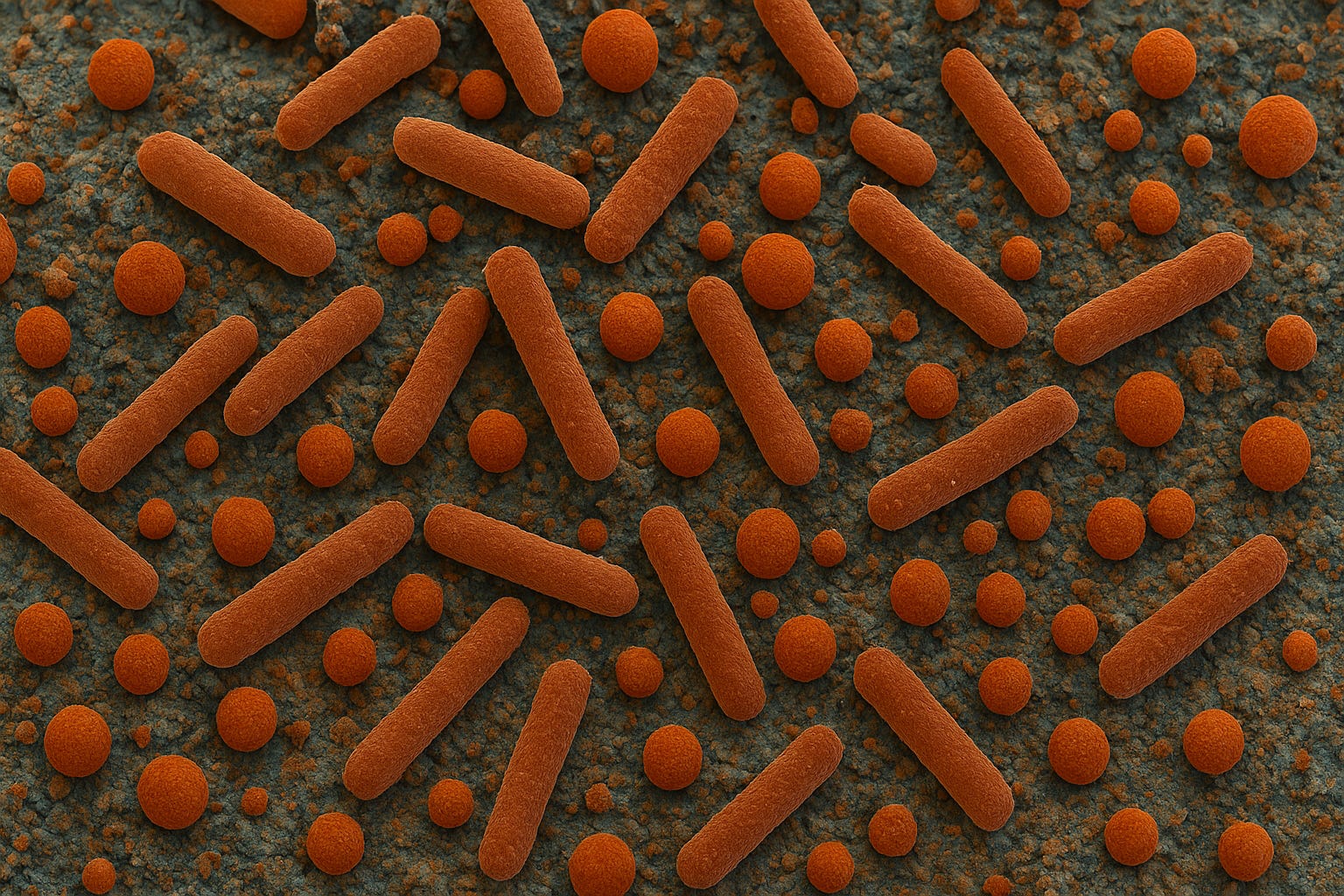

What if microbes could help us mine responsibly? What if astrobiology—the study of life beyond Earth—held clues for how to fix the way we extract resources on Earth?
Today’s guest is Liz Dennett, CEO and founder of Endolith, a biotech startup using microbes to boost copper recovery from mining waste. With a PhD in astrobiology, experience at NASA, and a career spanning oil, gas, and data science, Dennett is one of the most fascinating polymaths in climate tech.
This episode dives into how microbes mine metals, why copper is civilization’s next constraint, and what it means to clean up an industry everyone loves to hate. Ross and Liz also explore the moral contradictions of “ethical extraction,” the realities of startup life, and how humor—and humility—might be the best renewable resources of all.
This episode's sponsors

Absolute Climate: the only standard that’s developed independent of registries
Philip Lee LLP: legal resources for carbon removal buyers and suppliers
Listen to the RCC episode with Peter Minor from Absolute Climate
Listen to the RCC episode with Ryan Covington from Philip Lee LLP
Become a sponsor by emailing carbon.removal.strategies[at]gmail.com
Sign up for the 9Zero climate coworking space with my referral code
Resources
Earth in Human Hands: Shaping Our Planet's Future by Dr. David Grinspoon
47: David Grinspoon, Astrobiologist
Geology Cage Match: The Sapiezoic vs. the Anthropocene
Cobalt Red: How the Blood of the Congo Powers Our Lives by Siddharth Kara
The War BelowLithium, Copper, and the Global Battle to Power Our Lives by Ernest Scheyder
Deus ex machina
“If it falls to your lot to be a street sweeper, sweep streets like Michelangelo painted pictures, sweep streets like Beethoven composed music ... Sweep streets like Shakespeare wrote poetry. Sweep streets so well that all the host of heaven and earth will have to pause and say: Here lived a great street sweeper who swept his job well.”
- Dr. Martin Luther King, Jr.
More from the show
Ad-free episodes and other benefits come with a paid subscription.
Carbon Removal Newsroom, the news show that ran alongside this one, is over. Its episodes are still up, on the feed Climate Workers Anonymous now uses.
Carbon Removal Memes is still goofing around.
The books that come up on this show are collected on my Bookshop shelf.
🎧 Apple Podcasts · Spotify · YouTube
Paid subscribers get this episode ad-free. The ads in the free feed are inserted by Spotify when you press play. They are not in the file I make.